Perimenopause and Sex: Why Pleasure Matters Even More During Midlife
SexForEveryBody.com is supported by our readers. We may earn a commission if you buy through links on our site. Learn more.

I grew up in the American South, the land of abstinence, sweet tea, and slut shaming.
We didn’t talk about sex, especially not women’s pleasure. Decades later, that silence follows many of us into perimenopause, just as our bodies begin to change. For me, those changes became impossible to ignore in my early 40s.
I noticed my body didn’t lubricate as well as it used to. I was already in perimenopause and using Menopause Hormone Therapy (MHT), which helped keep my desire more consistent across my entire cycle. But a year or so after starting MHT, even after foreplay, there were moments of discomfort. I started limiting movement and positions during sex to avoid it.
My sex life was incredibly important to me. I spent years on birth control with no libido, so going back to an uncomfortable and unfufilling sex life was not an option. I had come too far and now knew what was on the side with enjoyable sex. This was something that could be solved. My journey has improved my sex life and given me a much greater appreciation for the experiences my perimenopausal clients are going through.
The health case for pleasure
So let’s do that thing that really kills shame and bring it into the light. First, let’s normalize the idea of sex, solo or partnered. We are all consenting adults here. Sex is a wonderful way to add some quality to your life!
There is research dating back to the 1960s from Masters and Johnson (You watched Masters of Sex, right?) about the importance of sex to humans. More recent research looking at over 3,000 participants between 57 and 85 years of age showed a positive relationship between sexual health and decreased risk of cardiovascular disease. For men, having partnered sex and more sexual activity lowered their odds of cardiovascular events. For women, having pleasurable sex and feeling emotionally satisfied was also correlated with lower levels of cardiovascular events.
I don’t think most of us need a study to know that people in our lives who are connected and satisfied tend to be healthier. Chronic stress is related to lower sexual desire, especially in women, but it’s not the only driver.
Most women who experience lack of desire or discomfort during periemenopause suffer in silence, wrapped in guilt and shame for wanting to have sex, then feeling like they’re failing as a partner, and then feeling like they don’t deserve a good sex life. Female Sexual Dysfunction (FSD) increases from 22% in women under 20 to 75% in women between 40 and 50. I don’t think that is a coincidence.
It’s not all in your head, it’s not just stress, and it’s not something you have to grit and bear.
Your GYN and vaginal estrogen
There is a fine line between discomfort and lack of desire. Sometimes one begets the other. When I started experiencing discomfort, I knew vaginal estrogen was an option and had a conversation with my provider, who was more than happy to prescribe it (about $18 for three months). Vaginal estrogen is localized estrogen, meaning it stays where you apply the cream and does not travel throughout your body like oral estrogen or a patch. It is incredibly safe and supportive of your sexual health.
When women go through perimenopause, their estrogen starts to decline. Estrogen is a lot like elastic. You know those workout pants you threw away because they stopped holding their shape? That’s a little bit like what happens to our skin and tissues without estrogen. The inside of your vagina is supposed to be very supple, flexible, and lubricated. When we lose estrogen, it becomes more sensitive and susceptible to damage from friction, which, beyond discomfort, can also promote infections and irritation. This can also happen outside the vagina on the vulva, which includes the labia, urethral opening, and clitoris. Vaginal estrogen can help return the vagina’s ability to lubricate and expand, and it can help prevent chronic urinary tract infections and vaginal infections. Best $18 I ever spent!
Chore play and communication
I want to introduce a term I think many vulva owners may relate to: chore play. I first heard this in an interview with the OBGYN and menopause provider Sally Greenwald. As soon as the words came out of her mouth, they found immediate resonance in my body, and I knew exactly what she meant.
If you are the person managing the brunt of life admin, like taking care of kids, lunches, laundry, doctor appointments, parent doctor visits, vet visits, and car payments, it can be utterly exhausting. Then when your partner wants to be intimate, and your to-do list is not done, and you don’t feel they are helping you, my guess is your libido is going to be in the tank.
Feeling safe, supported, and heard goes a long way to connecting with the emotional side of desire. I’m lucky to have a very communicative partner. We have worked very hard to get to a place where we can usually share when one person is feeling overwhelmed and needs extra support. We split our chores at the beginning of our relationship and then have shifted as our lives have changed. The constant is that there is communication. If one partner feels overwhelmed or stressed, the other partner can step in and help with chores. No one feels like sex when they are drowning in stress and to-dos.
Reframing sex as perimenopause self-care
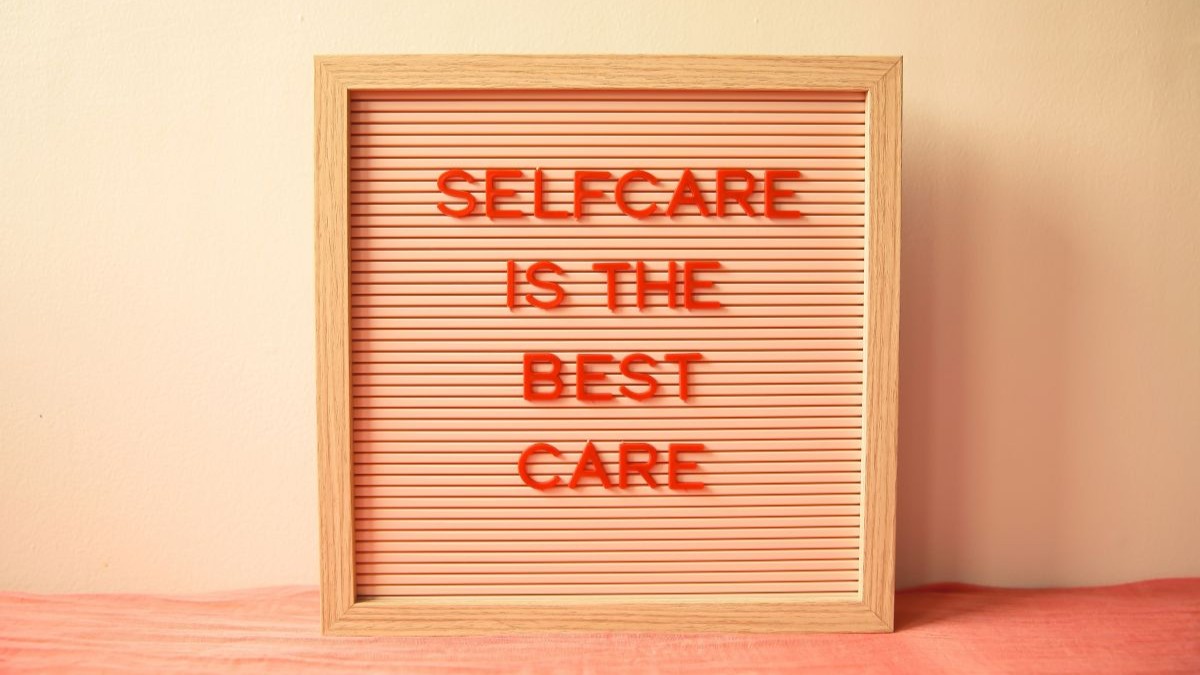
Outside of partnered communication and intimacy, solo sex is a pretty great way to check in with yourself and see what is going on. It is very hard to communicate to another person what to do if you don’t know yourself. I learned this the hard way.
It takes some experimentation, but it is worth the time investment to be able to direct your partner. It is also a nice barometer: not wanting solo or partnered sex is different information from being interested in solo but not partnered sex. Your cycles and hormones begin to fluctuate during perimenopause, which can make your moods and desire less predictable than when you were in your 20s or 30s. That telltale ovulation libido spike doesn’t always happen.
Paying attention to your body gives you a lot of information. At this point, you might need to explore different stimulation. This is where that solo sex can come in handy, trying out new things before sharing them with your partner. If you have a very open partner who is willing to experiment with you, get on that! Some vulva owners feel frustrated when things don’t work the way they used to, so the alone time can feel safer to explore.
A new chapter in your sex life
Once you take the time to learn what your body is telling you, things get easier. And trust me, your body is talking to you, but you have to be willing to listen. Perimenopause is a transition that all vulva owners will go through if they live long enough. It doesn’t have to be a burden, and it doesn’t mean the end of your sex life. It can be a time of true freedom to create the sex life that you want. It is an instigator of change, a reason to re-evaluate what you are currently doing and decide if it’s still serving you or needs to be updated.
Solo sex, partnered sex, and orgasms are good for your health! So for your health, to lower your stress levels and decrease your risk of cardiovascular events, consider exploring the possibility of sex (any kind you like 😉) as a part of your wellness routine.

Megan Pfiffner, MS, CNS, is a perimenopause nutrition expert, host of Mornings with Megan podcast, and creator of the Perimenopause Matrix™ framework. After spending a decade in NYC fashion before her own health demanded answers, she now translates complex nutritional science into actionable strategies for women navigating hormonal shifts, metabolic changes, and energy crashes during perimenopause.