Why Women’s Pleasure Belongs in Birth Control Promotion
SexForEveryBody.com is supported by our readers. We may earn a commission if you buy through links on our site. Learn more.
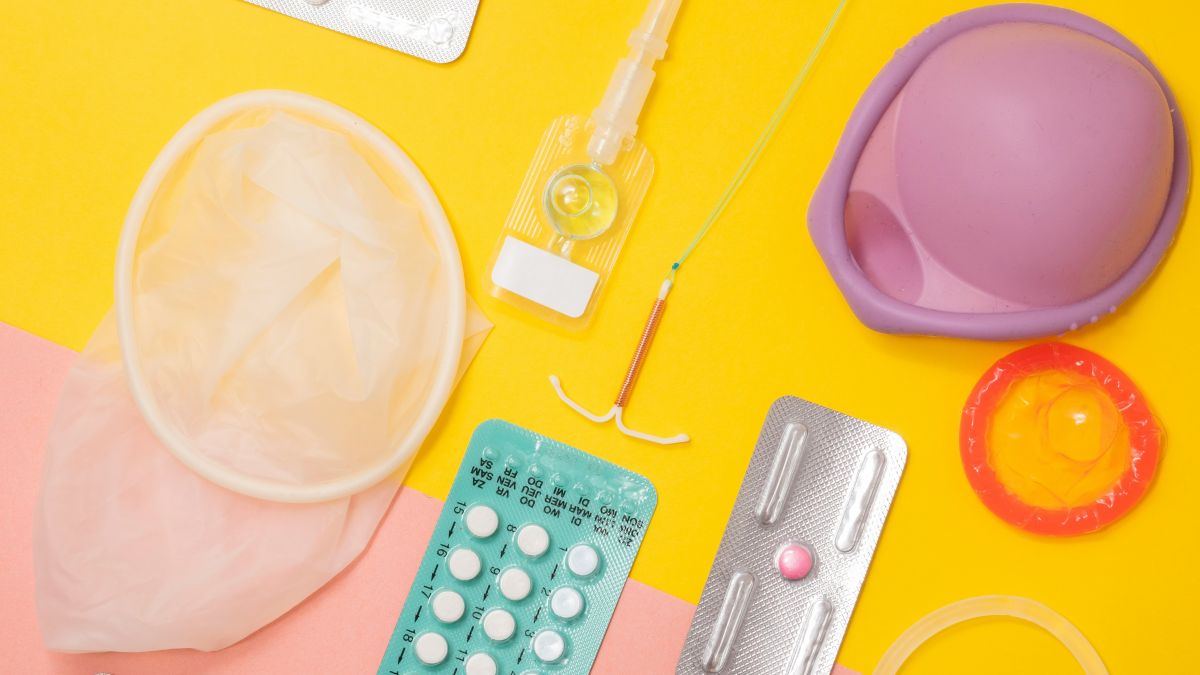
The irony is hard to miss. You start taking the birth control pill to feel free in your sex life, but soon the spark fades and your libido is gone. Or the intrauterine device (IUD) that promised peace of mind leaves you or your partner uncomfortable, turning sex from a source of pleasure into something you avoid.
For some, birth control ends up making intimacy less appealing. Why take a pill, get an injection, or have an IUD inserted to protect yourself during sex if that very method is killing your interest in it?
A new global review underscores this tension. Drawing on 64 studies with more than 125,000 participants, it found that about 1 in 20 people stopped using contraception because of sexual side effects like lower desire, discomfort, or worries about a partner’s experience.
Carried out by researchers from the World Health Organization, the United Nations’ Special Programme in Human Reproduction, and The Pleasure Project, it highlights a gap that has long been overlooked.
While cost and access are well-studied reasons for why women stop using birth control, sexual wellbeing and pleasure rarely make it into the conversation. Ignoring these factors is not only ironic. It undermines health outcomes by making people less likely to continue with the contraception they need.
Why contraception matters for women’s health and wellbeing
Most people turn to birth control to avoid unintended pregnancy, yet millions of women who need it still go without. Notably, it does much more than prevent pregnancy. It can be life-saving and life-changing.
If global demand were met, maternal deaths could fall by more than a third. Unintended pregnancies would drop from 80 million each year to about 26 million, which would also lead to fewer unsafe abortions.
Contraception is also linked to higher education and economic opportunities for women and girls worldwide.
Inside the global review on contraception and pleasure
To better understand how sexual concerns shape contraceptive use, researchers examined why people who need birth control stop or switch methods. Participants were considered “in need” if they didn’t want or plan to become pregnant.
This work builds on their 2022 systematic review on the benefits of pleasure-inclusive sex education programs.
“We were stunned by the strength of the results in terms of improving sexual health if you include even a little bit of pleasure,” said Anne Philpott, founder of The Pleasure Project.

“But one of the other striking findings was…we didn’t find any interventions that did that with contraception. It was sexual health interventions that aimed to reduce STIs, that improve condom use,” she said. “The hunch was that this was gendered, that it was showing sexism in terms of only looking at sexual health interventions where male pleasure may be compromised, or having an over focus on that, or not even considering that contraception was something where users would be motivated by the concerns that they might have about sexual wellbeing and pleasure.”
To address this gap, the team conducted a systematic review of studies published between 2004 and 2023 across nine databases. They included a broad range of methods: intrauterine devices (copper and hormonal), implants, injections, pills, vaginal rings, and patches, as well as less-studied options like diaphragms, cervical caps, withdrawal, and fertility awareness. Male condoms were excluded, since their effects on sexual experience are already well documented.
Most studies focused on women aged 12 to 54, though a few also included perspectives from male partners and health workers.
How sex life concerns affect contraceptive use
Out of more than 6,000 people who had stopped using contraception while still needing it, about 1 in 20 said the reason was tied to their sex life.
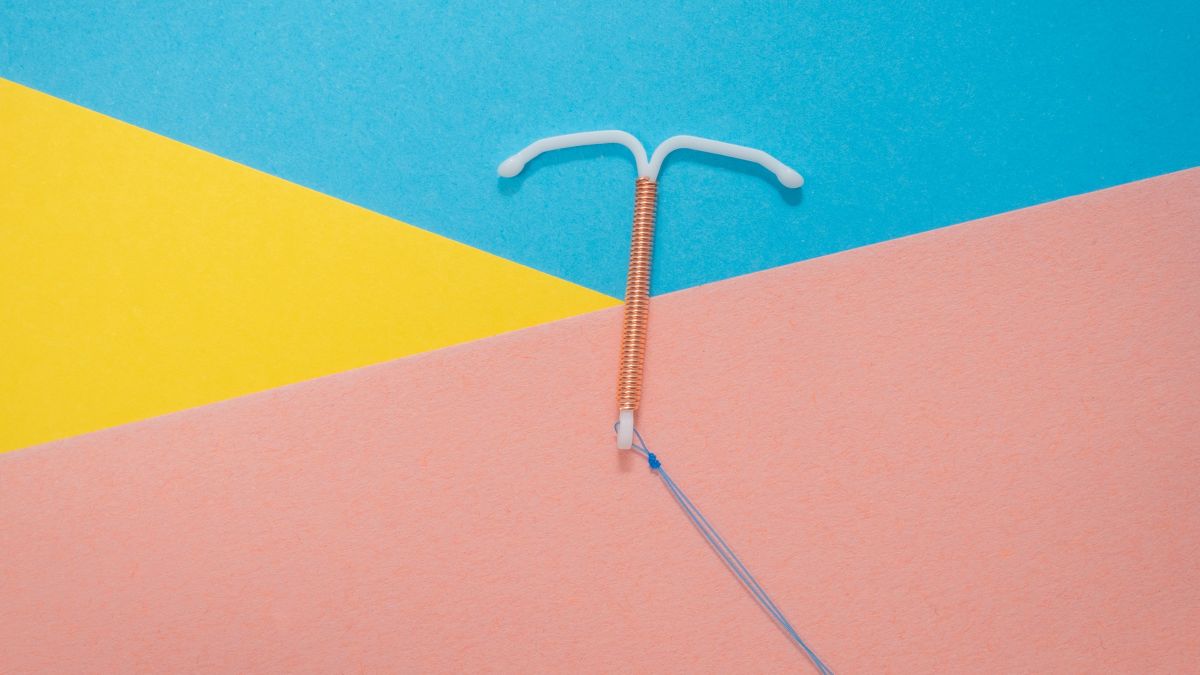
The most common concerns were lower libido, sexual preferences or aesthetics, and worries about a partner’s pleasure or functioning. For example, some women reported that partners could feel their IUD or vaginal ring during intercourse, which led them to stop using those methods.
Philpott calls this “the string effect.”
“The only time when an impact on pleasure or sex life is mentioned is when the string of an IUD touches the penis.”
Others cited discomfort during sex, reduced satisfaction, or even partner disapproval as reasons for stopping.
What’s missing from contraception research
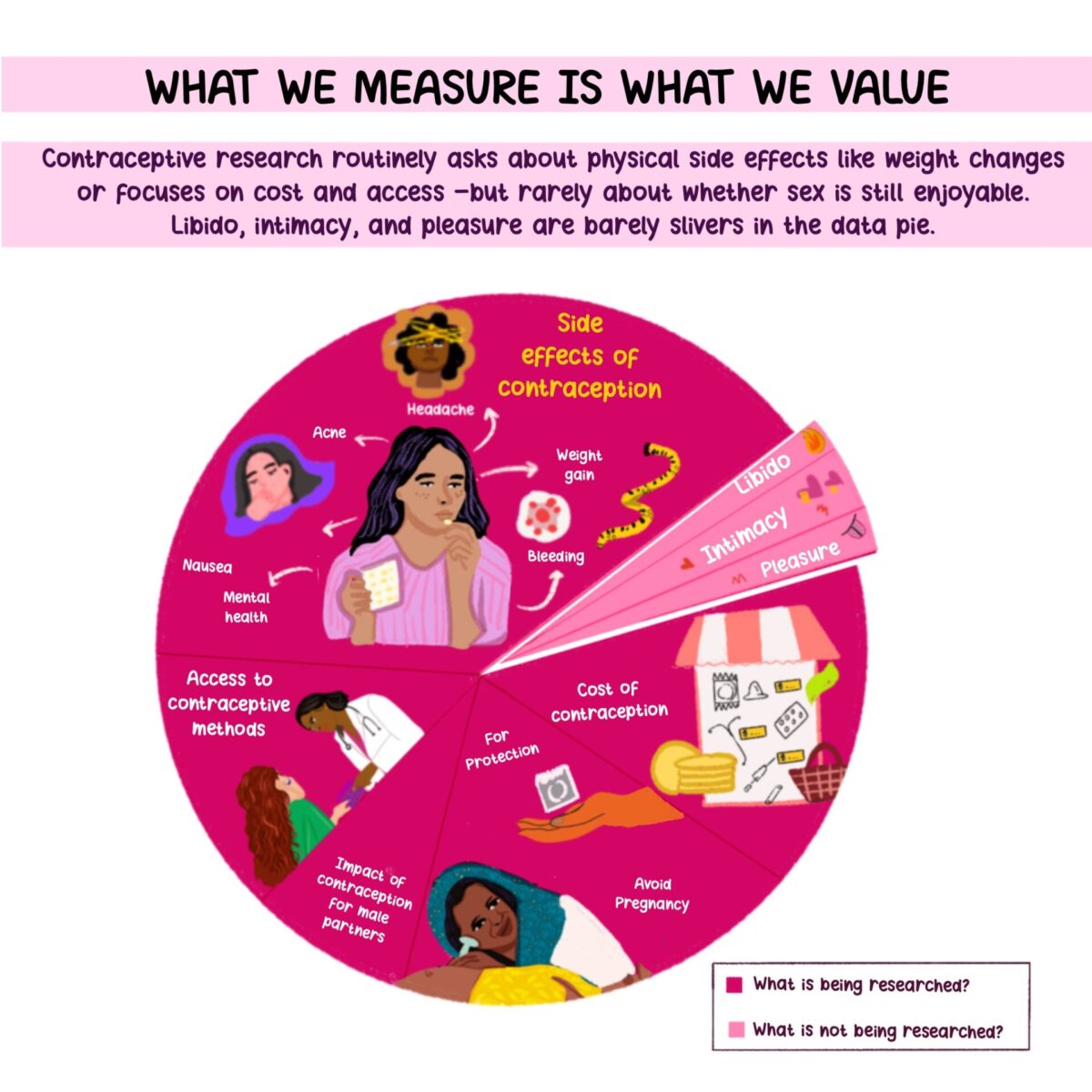
A major issue was how inconsistently information was collected. Many studies grouped responses under vague categories like “side effects” or “other reasons,” making it impossible to tell if sex was part of the story. Although sexual wellbeing clearly influenced contraceptive use, it often remained hidden in the data.
In fact, only two studies directly asked about how contraception affected people’s sex lives. Without that clarity, linking specific sexual concerns to specific methods was often impossible.
In addition, most studies focused only on stopping, with very little attention paid to switching between methods. Far more evidence also exists for hormonal methods than non-hormonal ones.
Under-reporting was another hurdle. Cultural taboos around sex, along with survey designs that forced participants to choose only one main reason for stopping, meant that sexual concerns were likely minimized or overlooked.
Where birth control research should go next
“Sex lives matter. We really need to start taking pleasure seriously and take sex life concerns seriously in sexual health. It’s kind of obvious, because it’s the reason why people are using [contraception],” said Philpott.
Doing so would make contraceptive programs more effective and help reduce maternal mortality rates.
More people stop using birth control because it affects their sex lives than due to cost or access. Yet funding and programs have focused heavily on the latter and ignored pleasure, particularly in regard to women’s health and reproductive planning.
“The bias in not asking users or not considering that this is important when it comes to developing contraception for women is very striking when you look at the contrast in the way male contraception initiatives or research tends to get stopped or developed,” said Philpott.
Philpott said future research should build pleasure into contraceptive development from the start, just as it has with male contraception. She also emphasized the importance of asking people whether a method works for their sex lives, exploring alternatives when it doesn’t, and giving service providers the tools to have those conversations confidently.
This isn’t just about having better sex. It’s about creating contraceptive options that people actually want to use, supporting their autonomy, health, and wellbeing.

Jenna Owsianik is a Canadian journalist and sex tech industry expert. She is the Founder and Editor-in-Chief of Sex For Every Body®.
Her expertise covers state-of-the-art sex technologies and the major fields driving innovations in intimacy: robotics, virtual reality, remote sex (teledildonics), haptics, immersive adult entertainment, human augmentation, virtual sex, and sexual health.
A trained journalist with a Masters of Journalism from The University of British Columbia, Jenna’s reporting has appeared on Futurism.com, Al Jazeera English, CTV British Columbia online, CBS Sunday Morning, CBS 60 Minutes, Global News, and CKNW Radio in Canada and the United States.