Sex After Breast Cancer: How Two Group Therapies Support Healing
SexForEveryBody.com is supported by our readers. We may earn a commission if you buy through links on our site. Learn more.
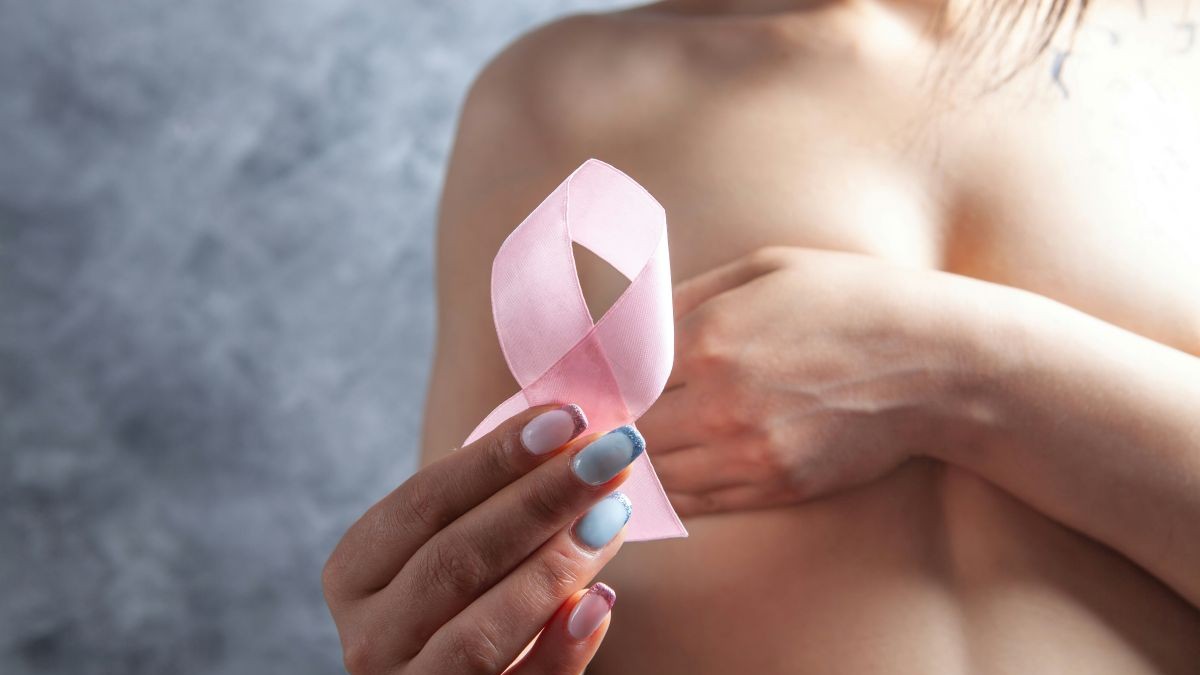
Enjoying sex after breast cancer treatment can feel like an uphill battle. And because breast cancer affects more women than any other cancer, struggles with intimacy are far from rare.
In fact, studies estimate that up to 86% of breast cancer survivors experience ongoing sexual difficulties years after treatment. They include low sexual desire, struggles with arousal or sensation, vaginal dryness or pain, and fatigue.
Symptoms don’t just impact the body. Sexual changes are often deeply emotional and psychological, shaping self-image, confidence, intimate relationships, and overall quality of life.
Fortunately, research reveals that two group-based therapies can significantly improve sexual health for breast cancer survivors. To understand how these approaches work and who they help most, Dr. Lori Brotto, a leading researcher in women’s sexual health, and her colleagues explored these questions in a 2025 article published in The Journal of Sex Research.
Their findings not only offer clinicians and survivors clearer guidance for choosing the right kind of support to navigate sex after breast cancer. They show that tackling one’s mindset around pain may be just as important as addressing physical symptoms.
So what do these therapies actually involve, and how do they differ?
Comparing group therapies
Mindfulness-based cognitive therapy (MBCT) combines guided mindfulness exercises, like breathing and body awareness, with education about sexual desire, arousal, and pain.
Supportive-expressive sex education (STEP) provides sexual health education without the mindfulness component. It focuses on psychoeducation group discussion, emotional support, and sharing experiences.

Both therapies can make a notable difference in how survivors enjoy sex after breast cancer treatment.
In a 2024 paper, Brotto and her team reported results from a study involving 116 breast cancer survivors randomly assigned to one of two eight-week online group programs. Participants were assessed before treatment, immediately after it ended, and again six months later. The findings showed that both approaches enhanced sexual function, reduced vaginal pain, eased rumination, improved mindfulness, and helped survivors feel more connected to their bodies.
Here we unpack a 2025 follow-up paper that digs deeper into the study data to uncover how these therapies work and which survivors benefit most.
“These findings show that not only do psychological treatments work to improve sexual health concerns and vulvo-vaginal pain after breast cancer treatment, but that women have options when choosing the psychological treatment that might fit best for them,” Brotto told SexForEveryBody.com.
Why they work and who benefits
The key psychological shift in both therapies was a change in how participants related to pain. When participants became more accepting of pain, they reported higher sexual desire, less distress, and less vaginal pain. Letting go of catastrophic thinking about pain also helped ease sexual distress.
Breast cancer treatment history
Cancer treatment history also played an important role in shaping outcomes.
Longer treatment duration was linked to smaller gains in sexual desire across both groups and less improvement in sexual distress within the MBCT group specifically.
Hormonal therapy
When it came to easing sexual distress, participants who had received hormonal treatment saw greater relief in the STEP group than in the MBCT group.
Since hormone therapies often bring intense menopause-like symptoms that disrupt sexual response, the researchers suggest that STEP’s clear, practical sexual health education may be especially useful for managing these effects.
By contrast, mindfulness-based therapy requires sustained attention and mental effort. When combined with the ongoing fatigue and side effects of hormone therapy or long-term cancer treatment, those cognitive demands may limit how much some patients can benefit from MBCT.
Chemotherapy
Overall, participants who had received chemotherapy tended to see smaller short-term gains in sexual desire.
Notably, vaginal pain improved in the MBCT group only among participants who had received chemotherapy.
Sexual distress also varied by treatment history. STEP appeared more beneficial for participants who had not undergone chemotherapy, while MBCT showed stronger effects for those who had.
Age, mental health, and expectations
Older participants in the STEP group saw significantly more improvement in their sexual desire. It may point to a generational difference, where older women may have had less access to sex education earlier in life.
Mental health at the start of treatment mattered too. Women who began the programs with lower anxiety reported greater improvements in both sexual desire and distress. Lower levels of depression were also linked to stronger gains in desire, though this effect was only seen in the STEP group.
Expectations also played a particularly interesting role early on. Women who believed therapy would help experienced greater reductions in sexual distress immediately after the program, regardless of which therapy they received. These benefits faded by the six-month follow-up. This suggests that while hope may spark early change, lasting improvement depends more on the skills and coping techniques learned during treatment.
Mindfulness
Mindfulness increased in both groups, but it did not account for the gains in desire, distress, or pain, suggesting that other factors drove improvement. This is different from what researchers have seen in women with sexual desire problems unrelated to cancer, where mindfulness appears to play a central role.
For breast cancer survivors, factors like group support, education, and changing how people think about pain may have been more important drivers of change.
Sex after breast cancer is more than a physical issue
Enjoying sex after breast cancer is not just about treating the body. Real change can occur when care involves supportive environments alongside psychological and educational approaches.
Both mindfulness-based cognitive therapy and supportive-expressive sex education helped alleviate sexual difficulties. But they did so largely by shifting how people relate to pain. Learning to accept pain, rather than fear or fight it, and letting go of worst-case scenario thinking were central to improvements in sexual desire, distress, and vaginal pain. Who benefited most depended on individual factors, including age, mental health, treatment history, and expectations going into therapy.
For clinicians, these findings give practical guidance on tailoring treatments based on individual histories. Still, more research is needed to further explore how these therapies improve sexual health after cancer.
In the meantime, it appears that when pain is no longer the main focus, pleasure has room to return.
Featured image by Sasun Bughdaryan on Unsplash

Jenna Owsianik is a Canadian journalist and sex tech industry expert. She is the Founder and Editor-in-Chief of Sex For Every Body®.
Her expertise covers state-of-the-art sex technologies and the major fields driving innovations in intimacy: robotics, virtual reality, remote sex (teledildonics), haptics, immersive adult entertainment, human augmentation, virtual sex, and sexual health.
A trained journalist with a Masters of Journalism from The University of British Columbia, Jenna’s reporting has appeared on Futurism.com, Al Jazeera English, CTV British Columbia online, CBS Sunday Morning, CBS 60 Minutes, Global News, and CKNW Radio in Canada and the United States.